• multimedia.photojournale
  • multimedia.photojournale
  • multimedia.photojournale
  • multimedia.photojournale
  • multimedia.photojournale

Stories

News Junkie

News Junkie from Aaron Goodman

News Junkie
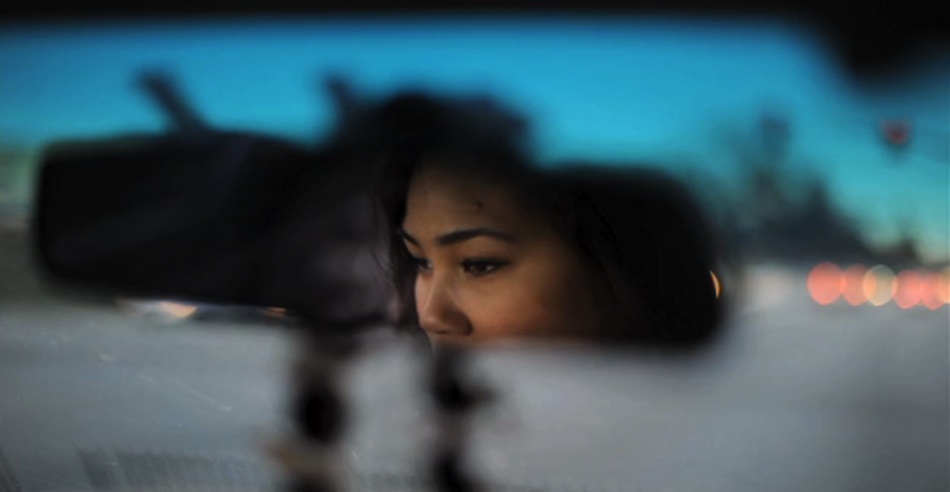
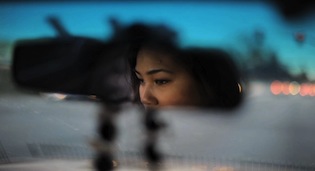
After years covering under-reported conflicts, disasters and human rights, I’ve started to question how my motivation is connected to my father. I created this piece as part of a facilitators’ workshop at the Center for Digital Storytelling (www.storycenter.org) in Berkeley, CA in March 2013.

BIO – AARON GOODMAN (@aaronjourno):

I’m a multimedia producer, video journalist and writer specializing in under-reported humanitarian issues. My news, features and documentaries have been broadcast by CBC, PBS, Associated Press Television News, VOA, ABC, and others.

I facilitate digital storytelling projects around the world, most recently with a group of female reporters in the eastern Democratic Republic of Congo. I also teach multimedia journalism at Kwantlen Polytechnic University in Surrey and Richmond, British Columbia, Canada.

Links:

Twitter: @aaronjourno

Web: aarongoodman.com

Beautiful Music

BEAUTIFUL MUSIC THE TRAILER from Lisa Hogben

‘BEAUTIFUL MUSIC’ (working title) is the story of the men and women of the Sydney Street Choir journeying to ‘apologize’ to the traditional owners of Australia, the Aboriginal people as represented by the Custodians of Uluru.

The Sydney Street Choir comprise of a group of homeless, mentally ill and disadvantaged men and women who all have personal stories of triumph against all odds, just to have made it as far as the Choir.

It is humbling then, to learn that the choristers of the Sydney Street Choir completed their mission to travel to Mutitjulu to sing their specially penned ‘Sorry Song’. Written as a heartfelt acknowledgement of the anguish of the ‘Stolen Generations’ The Sydney Street Choir can relate on a personal level to the dispossession, depression and loss of the Aboriginal community.
Beautiful music - Lisa Hogben

“Beautiful Music’ (working title) is the documentary of this epic journey from the hard streets of Sydney to the hard lives of the Aborigines of the Northern Territory. Set against the backdrop of the Australian Government Intervention into Northern Territory remote Aboriginal communities the story of the Sydney Street Choir ‘Two Hearts Tour’ is a chronicle of the lives of divided societies and how the power of music can unite them.

 About Lisa Hogben

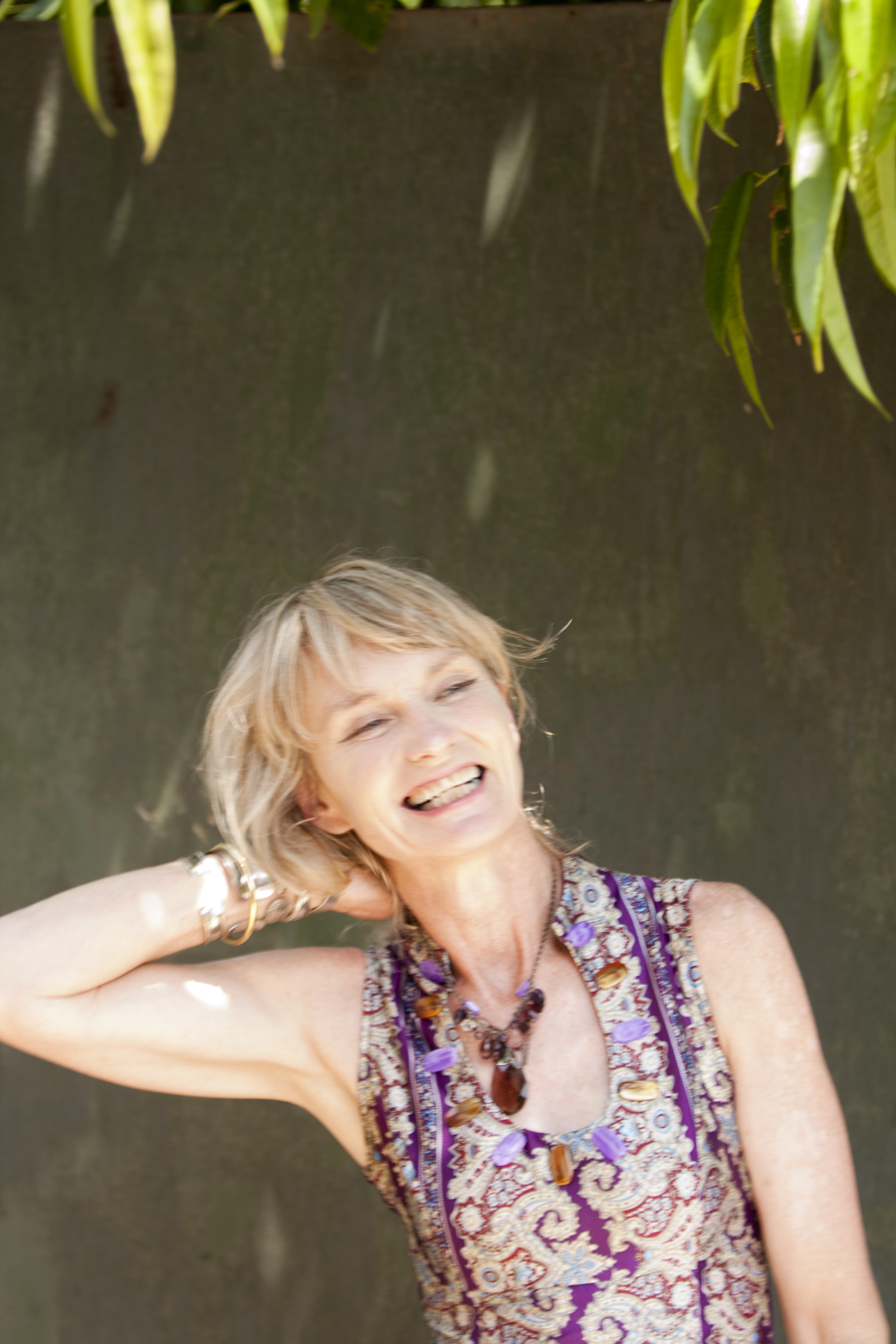
Lisa HogbenAward winning TIME photojournalist Lisa Hogben has spent many years working with
the Aboriginal people of Australia . Her touching photographic exhibition ‘Ten Years
From the Heart- Photographs of Redfern Waterloo’ has traveled extensively in Australia
and North America while ‘Australia Says Sorry’ her TIME Magazine cover story of the
Australian Governments ‘Apology’ to the ‘Stolen Generations’ was featured world wide
and can still be seen on the TIME/CNN website.

For the documentary ‘Beautiful Music’ Lisa has donned her Directors cap and guided
the camera through the journey of the Sydney Street Choir to Uluru. Experienced in
shooting and directing short documentaries her background as a professional and highly
regarded photojournalist shows as she produces telling and emotive footage of the
Sydney Street Choir on their journey. As a sensitive and compassionate photographer
Lisa’s abilities to gain the trust of her subjects is unsurpassed and as she brings the
documentary ‘Beautiful Music’ to fruition.
The ten minute multimedia piece presented on Photojournale is a teaser for the
final proposed 55minute documentary of the entire journey of the Sydney Street
Choir.

Please visit and like our page Beautiful Music The Documentary @ https://
www.facebook.com/BeautifulMusicTheDocumentary for updates.

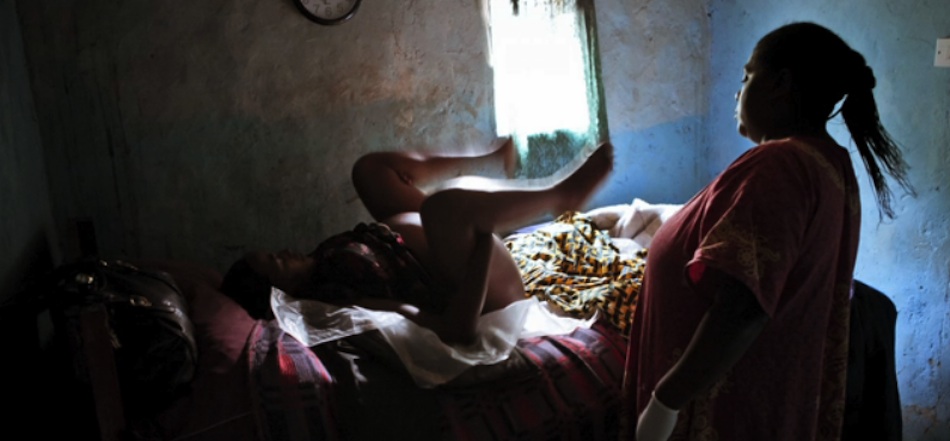
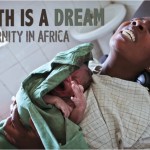
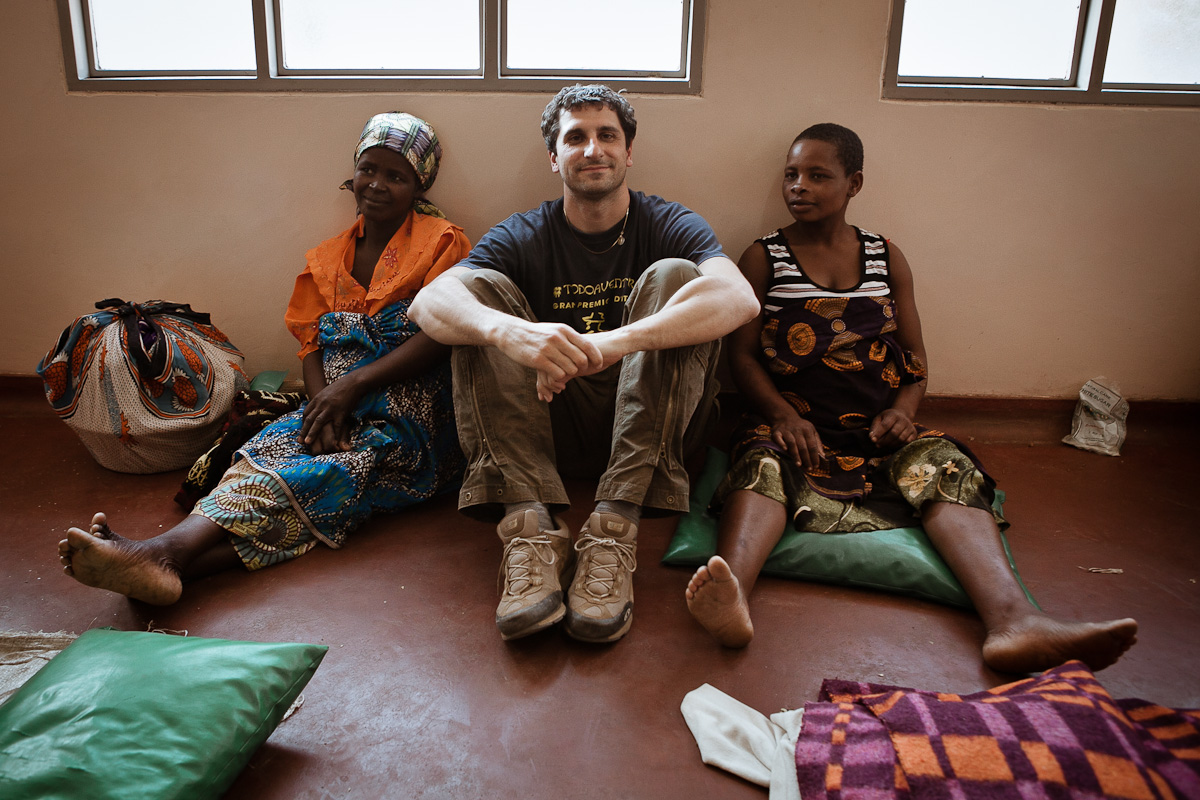
Birth is a Dream – Maternity in Africa

BIRTH IS A DREAM from Paolo Patruno

Birth is a Dream | Maternity in Africa
Multimedia documentary by Paolo Patruno

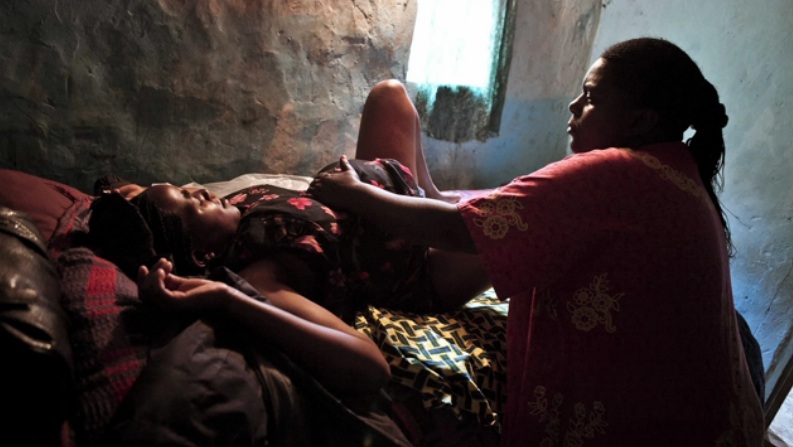
Every year, in Africa 200.000 mothers die from complications of pregnancy and childbirth; and for every woman who dies, many others suffer injury, infection or disability.
Every year 1,5 million African children are left without a mother.
A mother’s death is a human tragedy, affecting families and communities. Her death endangers the lives of a surviving newborn and any other young children; a mother’s death makes it harder for the family to obtain life’s necessities and escape the crush of poverty.
A great many of these deaths are preventable, when women have access to quality prevention, diagnostic, and treatment services; most maternal death and morbidity can be prevented when pregnancy and childbirth are attended by skilled health professionals (nurses, midwives or doctors).

Birth is a dream - multimedia documentary by Paolo Patruno

I named my photography project about maternity in Africa.”Birth is a dream”. I wanted to answer a number of number of questions producing this work brings forth.
What is a mother’s dream? How realistic is it for for them the dream of giving a safe birth ? Why safe motherhood is still a dream for the African mothers ?


About Paolo Patruno

Paolo Patruno


I am a photographer focused on humanitarian issues and social-documentary, working with NGOs, Aid and Non-Profit Organizations.

I’m interested in documenting global topics, including health care, education, human rights, sustainable development, poverty.

I’m travelling in Africa from almost ten years, documenting in pictures stories from this continent; I believe it’s my duty to use my camera to let people know what they’ve never seen, what they still ignore is happening.

I’m working on my personal long term project about the Maternity crisis in Africa and developing countries as well.

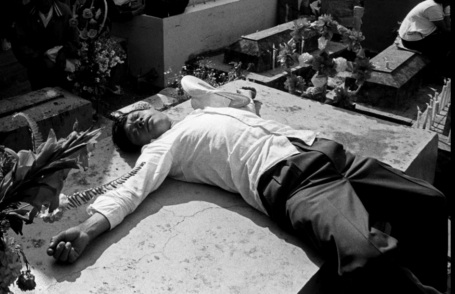
Mexico, El Dia De Los Muertos

MEXICO, EL DIA DE LOS MUERTOS from enrico martino

The Dia de los Muertos (Day of the Dead), recently declared by UNESCO as an “oral and intangible cultural heritage of humanity,” is one of Mexico’s most cherished traditions. When the souls of the departed return their family speak quietly with them at graves adorned with offerings of food, candies, liquor, cigarettes, everything their dead enjoyed while alive.
dia de los muertos
Multi media documentary by Enrico Martino, www.enricomartino.com

BIO Enrico Martino - photojournalist
Enrico Martino, a free-lance photojournalist based in Italy, contributed for many years to the main Italian magazines, following political and social events in Italy, Europe, Middle and Far East, Africa, USA and Latin America covering social and politic reportages. In the last years he specialized in travel photo and texts reportages. His work is characterized from a special focus on Latin America and Mexico. He is also member of the portal online of Latin American photographers Nuestra Mirada. The yearly collaboration with the magazine Meridiani, for which has realized nearly one hundred reportages, has allowed him to develop cultural and social reportages that are the focus of his professional and personal research. His work has been published in many Italian and European magazines: Meridiani, D-Repubblica, Epoca, Espresso, Panorama, Elle, Marie Claire, Europeo, Sette, Focus, Panorama Travel, In Viaggio, Airone, Atlante, Condé Nast Traveller, Tuttoturismo, Gente Viaggi, Merian, Altair, Courier International Der Spiegel, Die Zeit, Jeune Afrique, Rutas del Mundo,. He realized also some multidisciplinary projects focused on cities social problema, in Mexico City in collaboration with Mexican Caritas and in Turin with CNEL.

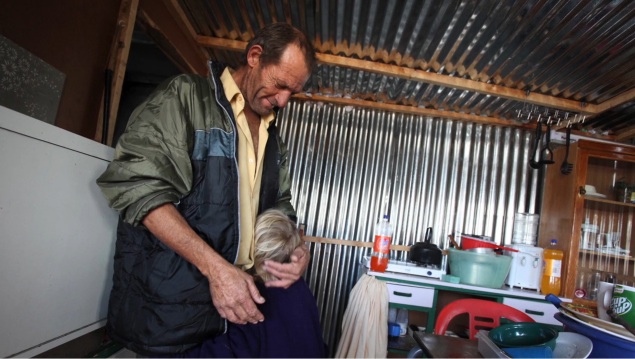
White Squatters South Africa – The Kuhn family

Photofilm: White Squatters South Africa – The Kuhn family from Matt Tabaccos

Ruyterwacht, Western Cape, South Africa | 2011

George Kuhn (46) sweeps away dirt from the porch of his 5 x 4 ft metal sheeted shack which houses himself, wife Bridget (39) and four children, Brad (13), Jamie Lee (7), Karen (4) and baby Eileen (3 months) at a squatter camp for poor white South Africans in Ruyterwacht, Cape Town.
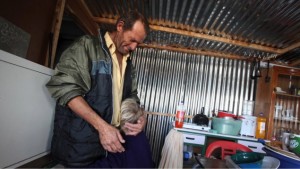

“The problem with the government is they don’t do enough for people like us” he says. Kuhn is one of many disgruntled poor white South Africans living below the poverty line who feel marginalized under an ANC Led elected government and affirmative action laws introduced since the end of apartheid in 1994.

White poverty in South Africa is estimated at 450,000, 10% of the white population and is a politically sensitive subject that receives little attention in the mainstream media “the same thing is going to happen in South Africa what happened in Rhodesia” says Kuhn, a sentiment echoed within the walls of many white South African households but rarely aired publicly.

Shot and recorded over the duration of a day, this photofilm explores the Kuhn family’s views and existence in a white squatter camp.

 

  BIO – MATT TABACCOS
Is a British photojournalist and multimedia producer who has been primarily based out of Lahore, Pakistan and Johannesburg, South Africa over the duration of the last four years. His work has been published throughout the media spectrum in The Sunday Times, The Guardian, The Telegraph , The Sun, ABC News, BBC, The National, MSNBC, Nat Geo TV, RTL, SKY NEWS (TV) The Washington Times and Thomson Reuters.

In 2007, armed with a graphic design and communications background, and a natural curiosity of people and the wider world, Matt up sticks from his executive position in the London media world in exchange for a backpack full of camera equipment and an urge to tell interesting stories.

He has recently returned back to the UK from a 17 month stint in South Africa to actively pursue and collaborate on documentary and investigative media projects that inspire, question and engage audiences to the medium of storytelling.

You can get in touch with Matt @ : mtabaccos@hotmail.com
Or Follow @ : twitter.com/matabaccos
Or Subscribe @ facebook.com/matt.tabaccos
Its a Beautiful world “Outside” | India

Its a Beautiful world “Outside” from Indu Antony

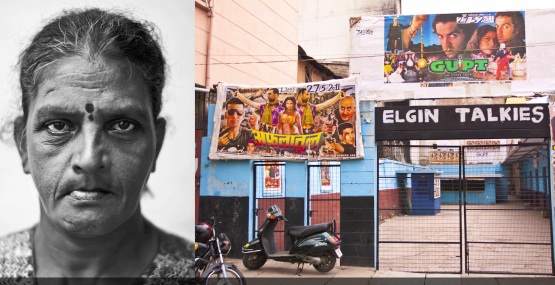
India is home to a lot of homeless people. There exists destitute homes to shelter them. One such destitute home in Bangalore houses primarily psychologically ill people. They do have dreams and wishes. This project attempts to bring their idea of the beautiful world outside the home to them with images. Questions were asked to the destitute women as to what they thought was beautiful and the first thing that they would want to see when they step out. The answers varied in color and shapes and were so subjective to their idea of beautiful realities. The dreams were photographed, printed and handed over to them. I decided to overlay their voice recordings to bring in the distinction of each of their personalities. This work is available as a multimedia presentation. From the blind to the physically handicapped they all believed that they would one day step into that beautiful world “Outside”.

Biography Indu Antony.

Being born a shade darker than my family members and into culturally vibrant reality I followed my parents dream to be a physician and then followed my own to be a visual artist. My exhibitions include ‘First Flights’(Delhi) 2009, ‘Body Politics’ (Bangalore) 2010, ‘Social Mashup’(Hyderabad) 2010, ‘Beauty in the Blur’ (Bangalore) 2011, ‘Louder Whisper’ (London) 2011. My website: www.induantony.com

Alma : The Mastercaft of the Luthier | Spain

Alma (Spanish with English subtitles)

Etienne Bellanger always wanted to be a luthier. At a young age he spent time in a luthier workshop, where he became instantly fascinated and hooked, and ended up submerging deeper into this world.

He studied to be a luthier at the prestigious National School of Lutherie of Mirecourt and settled in Zaragoza in 2009 with the aim of developing his professional career. Lutherie of bowed instruments is almost non-existent in Spain, and Etienne, who provides a breath of fresh air in a city with practically no tradition in this art, welcomes us into his workshop to share his thoughts on music and his craft.

Produced by Kauri is a Spain-based production team that focuses on multimedia storytelling through still photography and audio.

Who are Kauri
Freelance Documentary Photographer Diego Vivanco and Producer Ian Clark make up Kauri Multimedia.
Diego’s work has featured regularly in Spanish and European newspapers, as well as international magazines. His stories on sport, integration and communities have featured at international forums, exhibitions and festivals. You can find out more information on Diego and check out his individual work at www.diegovivanco.es .

Ian has worked as promo producer for National Geographic Channel both in the UK and Spain for several years. He has also spent time as a freelance producer working for clients such as Discovery, MTV, Paramount Comedy, Channel 5, Action Against Hunger. He has won three World and one European Promax Awards. You can see a selection of his work here http://www.youtube.com/user/soundtheoryfilms

Contact Kauri
You can get in touch with Kauri via e-mail – diego@diegovivanco.es – 23ianclark@gmail.com

Follow Kauri
You can follow Kauri on Twitter: twitter.com/kaurimultimedia and on Facebook: facebook.com/kaurimultimedia

Ninja Gold Miners | Mongolia

Ninja Gold Miners from Ana Brigida

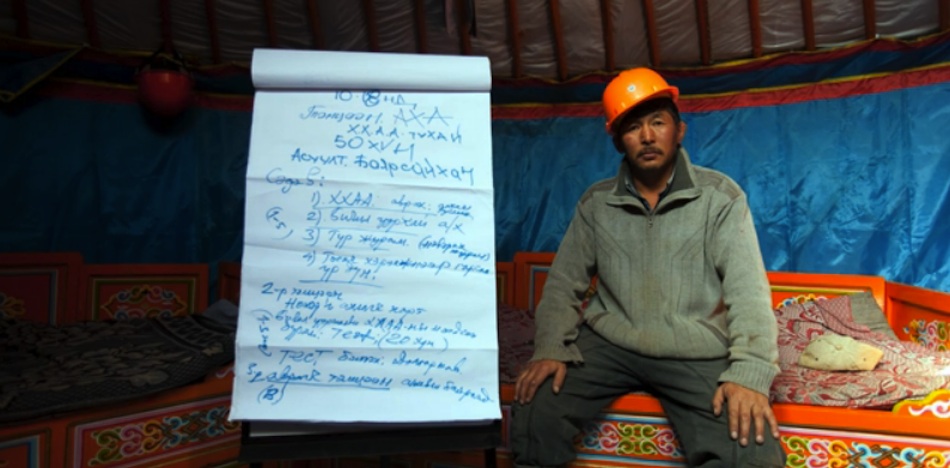
Mongolians discovered that their land contained the most precious metal in the world, gold. Miners started to dig in rural areas all across Mongolia to try their luck. Nowadays, people from different levels do mining to earn extra money but without any safety protection, gold mining became an everyday high risk task.

Between 1990 and 2002, after a series of droughts and harsh winters, most of the Mongolian herders lost their animals and with the end of the Soviet subsidies, the Mongolian economy started to collapse, leading to an unemployment crisis. As a response to poverty and unemployment, Mongolians saw artisanal mining as an option.
Searching for gold and other minerals, Mongolians started to dig in rural areas and hard rock sites of formal mining companies to try their luck; this was the beginning of the Mongolian gold rush boom and nowadays there are an estimated 100,000 artisanal miners all across Mongolia. But now not only unemployed people do mining, people from different levels of educations and professions go to mining sites with their families and friends to try their chance in their promised land.
Artisanal mining is still not legalized or organized by the government and miners are deprived from social services access or from any kind of labour safety. The government also criticises these miners for using mercury, causing environment damage and the pollution of rivers.
However, there is potential for development in this sector and with the legalization of mining these problems would be resolved. According to the Mongolian Minister for Social Welfare and Labour, T. Bayarsaikhan, Ninja Miners improve the economy of Mongolia and the “government is drafting a law that will regulate informal mining and allow people to work on the remaining formal mining sites”.

Some believe that the name came from the Japanese ninjas that were quick and fast, always moving from one place to another and some believe that when mining started to emerge, miners would carry green plastic bowls on their back and this appearance, similar to the ninja turtles cartoon characters gave them the name of “ninja miners”.

About Ana Brigida Moreira Mendes
Ana was born in 1986 and she is a Portuguese international photographer and multimedia producer, currently living in Lisbon.
After an Arts Education, Ana followed Photography studies to fulfill her passion by telling stories through a visual concept.

In her internship at a Portuguese Newspaper, Ana covered international news features as a photojournalist. Following these experiences, she worked as a freelancer for several newspapers and magazines.
During her travels around Europe, U.S.A, Mexico and other countries, Ana developed personal projects, which provided her with the strength to face new challenges.

In 2009 Ana moved to China to do a MA in Photojournalism and Documentary Photography at the Dalian Institute of Image Art/ University of Bolton, where she developed her skills and a strong passion for multimedia.

http://www.anabrigida.com

In Search Of A Job-Any Job | Burmese Migrants In Thailand

In Search of a Job-Any Job from John Hulme .

In Search Of A Job…Any Job Burmese Migrants In Thailand multimedia story by John Hulme
The past thirty years have seen an ever-increasing global restructuring of production and investment, as capital has moved freely from industrial centers in Europe and North America to countries with the cheapest labour. This in turn has produced vast numbers of migrant workers.
This ability for capital to move freely between countries stands in stark contrast to the hundreds of Burmese day labourers and factory workers who cross the Moie River each day on rubber inner tubes, running the gauntlet of extortion from officials on both sides of the border. Illegal migrants scuttling across borders is a scene repeated not only in Asia, but daily in Europe and the Americas also.
According to recent statistics, there are now more than 191 million migrants, the largest number in human history. In fact, every country has a growing migrant population —legal and “illegal”—struggling to escape poverty, famine, political repression or war. Thailand is no exception, with an estimated two and a half million migrants from Burma (now known as Myanmar) entering the country since the mid-1980s in search of a job…any job…and the hope of a better life for their families. Gross human rights abuse by Burma ’s military government—the so-called State Peace and Development Council, or SPDC—as well as decades of internal armed conflict have accelerated this process.
But life in Thailand for Burmese migrants brings new difficulties. More than half of these mainly young workers are undocumented, forced to eke out a living on rock bottom wages and in constant fear of deportation. They are employed in dirty, dangerous and difficult jobs in Thailand ’s fishing and construction industries, rubber plantations, dockyards and shrimp farms, as well as providing cheap labour for the tourist industry. Over the past six years, I have been making regular visits to Thailand ’s western border with Burma to record the plight of these desperately poor workers and their families. In Search of a Job…any Job is a selection of this work and one that hopefully reminds us of the difficulties facing working migrants in every country who are the first victims of any economic fluctuation.

About John Hulme.
John Hulme is a documentary photographer dividing his time between South East Asia and Britain. His work has focused on documenting social issues in Europe, Thailand, Burma and India.

John’s work has been published in books, Magazines and newspapers, including AOL, Pacific Press (Japan), MacMillan Education, Heinemann, BBC, McGraw Hill (US), Longman Asia, Oxford University Press, Cambridge University Press, Hodder Wayland, Franklin Watts, AA Publishing, Reed Primary, MacMillan Oxford, Independent On Sunday, Evans Brothers, Aladdin Books, APA Publications (Singapore), Dorling Kindersley, Financial Times and The Sydney Morning Herald.

As an accredited photographer for the BBC and Channel Four he has been involved in the production of several documentary’s, most recently for Panorama shooting Hi-8 footage of Thailand’s Chicken farms and slaughter house’s.

John was invited by Kent University, Canterbury (UK) to exhibit his work. The exhibition “Burma’s Forgotten War” Images from the Thai/Burma border depicting Karen insurgents, Refugee camps and backpack medic’s, was well received, informing both students and academics about a part of the world that receives little if any, media attention.

Recent work includes the documentation of Burmese Migrant Workers, the Karen people of Burma, including their military wing, the Karen National Liberation Army (KNLA)., And Gold Mining in Kachin state Upper Burma.
http://johnhulme.net/

The Bank | The Spanish Food Bank

The Bank (Spanish with English subtitles) from Kauri Multimedia on Vimeo.

In Spain, around 20% of the population live below the rate of relative poverty. The Spanish Food Bank Foundation assists those hardest hit by collecting excess food and distributing to agencies and community action groups. The photofilm shows the work carried out by the Aragón Food Bank and introduces viewers to the volunteers working there, mostly early-retired and retired old people. Pivotal in the running of the Foundation, they are examples of altruism, hard work and goodwill in times of increasing hardship in a competitive and excluding society such as todays.

Produced by Kauri is a Spain-based production team that focuses on multimedia storytelling through still photography and audio.

Who are Kauri
Freelance Documentary Photographer Diego Vivanco and Producer Ian Clark make up Kauri Multimedia.
Diego’s work has featured regularly in Spanish and European newspapers, as well as international magazines. His stories on sport, integration and communities have featured at international forums, exhibitions and festivals. You can find out more information on Diego and check out his individual work at www.diegovivanco.es .

Ian has worked as promo producer for National Geographic Channel both in the UK and Spain for several years. He has also spent time as a freelance producer working for clients such as Discovery, MTV, Paramount Comedy, Channel 5, Action Against Hunger. He has won three World and one European Promax Awards. You can see a selection of his work here http://www.youtube.com/user/soundtheoryfilms

Contact Kauri
You can get in touch with Kauri via e-mail – diego@diegovivanco.es – 23ianclark@gmail.com

Follow Kauri
You can follow Kauri on Twitter: twitter.com/kaurimultimedia and on Facebook: facebook.com/kaurimultimedia


Stories

News Junkie
News Junkie

News Junkie from Aaron Goodman News Junkie After years covering under-reported conflicts, disasters

More in Stories

Hammans Spreader of Warmth

Hammans | Spreader of Warmth – Mervyn Leong

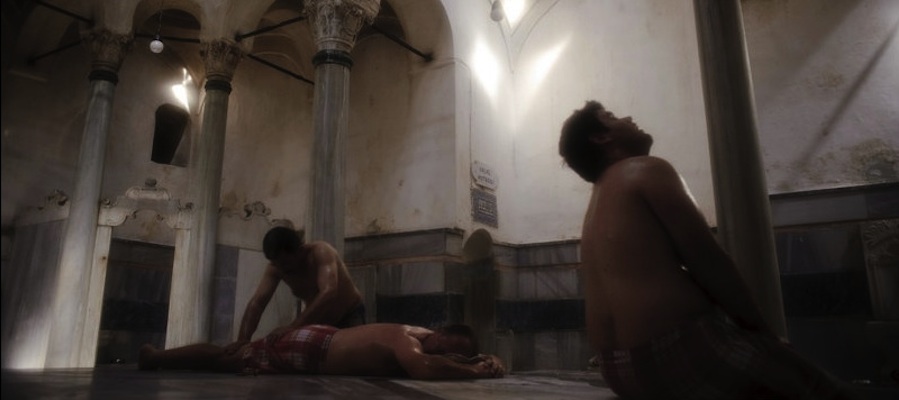
The hamams in the Ottoman culture started out as annexes to mosques, and quickly evolved into instit

More in Hammans Spreader of Warmth

The World I See

The World I See | Tiziano Project

The World I See | The Tiziano Project from The Tiziano Project on Vimeo. The Tiziano Project | 360°

More in The World I See

Sides of the Wire

Sides of the Wire | Afghanistan

Multimedia photo documentary by Corbis Images photojournalist David Bathgate Sides of the Wire | Afg

More in Sides of the Wire

The Soul of Tango

The Soul Of Tango | Buenos Aires

The Soul of Tango from Enrico Martino A story about the real tango, that it’s not the celebrated T

More in The Soul of Tango